Meet the 2026 Genes in Space Mentors
Each year, the Genes in Space Finalists work hard over the summer to develop their initial proposals into fully formed experiments designed to fly to the International Space Station. But they don’t tackle this challenge alone; they do it under the enthusiastic coaching of the Genes in Space Mentors.
We’re exceptionally proud of this cadre of world-class researchers who make time in their busy scientific schedules to advise the next generation of scientists in their orbital pursuits. In the lines below, the 2026 Genes in Space Mentors share their field of scientific study and explain in their own words why they mentor these Finalist teams:
Kylie Akiyama
Position: PhD student, MIT
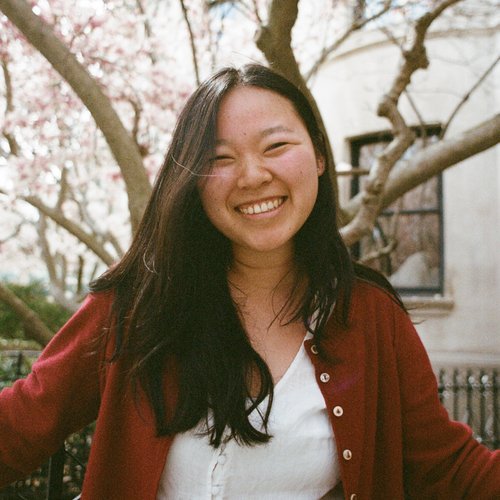
What I study: I study how we can engineer microbial organisms to bioremediate heavy metals and other toxic elements from the environment. Microbes have evolved such diverse and fascinating ways to handle environmental stressors, adapting to live everywhere from the deep ocean to the International Space Station! By studying their natural mechanisms and the way microbes interact with other living systems and the environment, we hope to learn how to harness microbial abilities to keep our planet healthy.
Why I mentor: Genes in Space provides an incredible opportunity for young students to learn about and make an impact on the field of space biology, and I'm so excited to help mentor students who are just starting to explore the kinds of research we can do in this niche. I'm so grateful to the mentors throughout my life who have largely shaped the way I think about and pursue science, and I hope to provide the same support for the Genes in Space mentees!
Taylor Lanosky
Position: PhD student, Harvard University
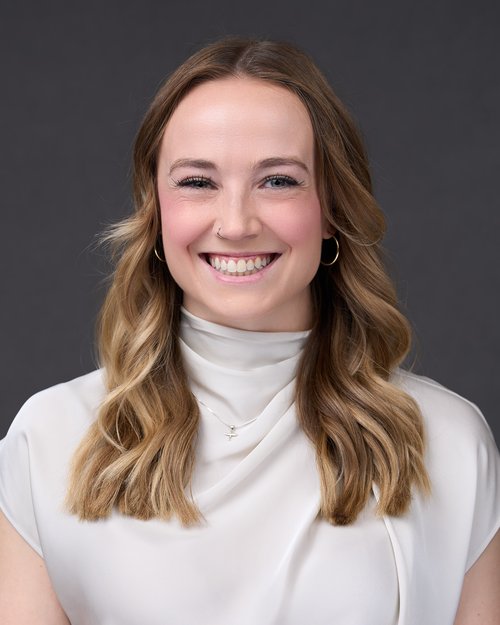
What I study: As a graduate student in George Church’s lab, I focus on bioengineering solutions for space exploration and sustainability. My primary thesis project involves engineering yeast and bacteria to convert waste streams into nutritious, flavorful food for use in space and other resource-limited environments — think the movie The Martian, but with microbes instead of potatoes.
Why I mentor: I mentor because I had great mentors over the course of my own academic journey that helped me get where I am today all the way from a small town in rural Canada! It is because of my mentors that I believe not even the sky is the limit (space pun intended), and I hope to instill this same passion and inspiration in the next generation of scientists. Plus, young scientists ask some of the coolest questions that help shape the future of research, so they inspire me as well!
Glenn Li
Position: PhD student, MIT
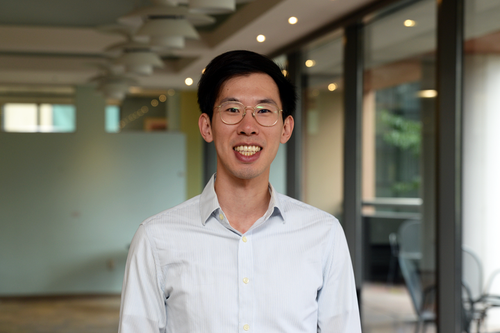
What I study: Organisms face a wide array of stressful environments and must adapt to these changing conditions to survive. I use genetic and structural-biology tools to study how yeast cells alter their core gene-expression machinery to cope with stressful conditions.
Why I mentor: Passionate and caring mentors have been a key part of my scientific training, and I aspire to pass on the things I’ve learned, and to share my love for biology and space with the next generation of young scientists!
Melissa Morales
Position: PhD Student, MIT
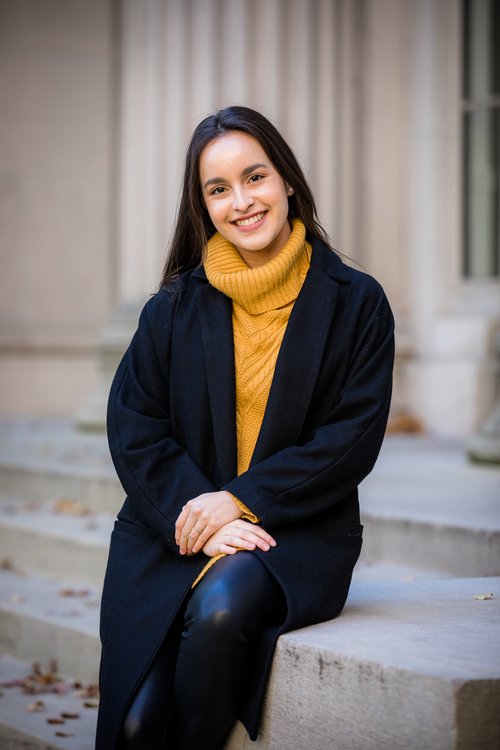
What I study: Cell therapies are the next generation of pharmaceuticals, providing hope for patients with formerly incurable diseases like cancer, HIV, and sickle cell anemia, yet much of the world lacks access due to the unprecedented high costs of treatment. I aim to lower cost and improve manufacturing efficiency of cell therapies by using machine learning and Raman spectroscopy, a noninvasive, rapid, single-cell phenotyping method based on the inelastic scattering of photons. With this technique, manufacturers may be able to gain insight into process success soon after transfection and even predict the potency of the cell product in vivo.
Why I mentor: I have a passion for engineering in low-resource settings, both for global health applications and in spaceflight, a passion that started when I was in high school. I love that Genes in Space gives young people the opportunity to dive into the questions that excite them and make real advancements in bioastronautics. I'm excited to prepare my mentee for a successful project proposal but also to learn from them and their creative ideas!
Nick Nolan
Position: PhD Student, MIT
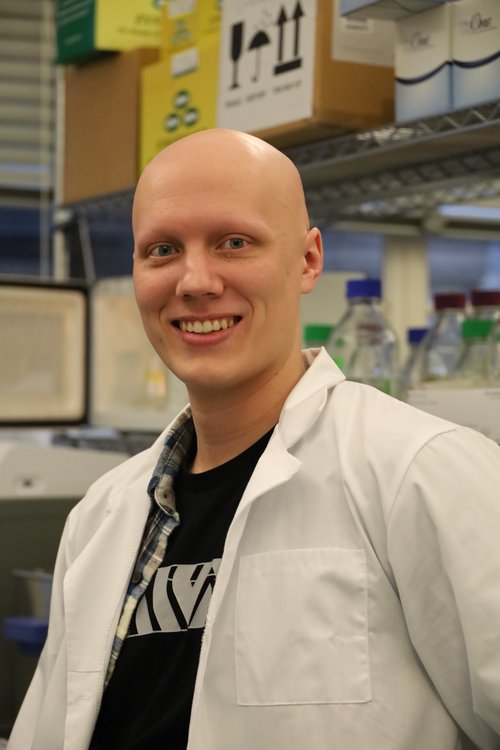
What I study: Molecular chaperones are a type of protein in bacterial and mammalian cells that have the sole purpose of helping other proteins to fold. I've been quantifying the extent to which chaperones are a limited resource within the cell, and the resulting dynamics that might arise because of that resource limitation. Ultimately, our goal is to make biological system design more predictable!
Why I mentor: Every generation has its own set of large-scale problems that it encounters and must solve. Sometimes, this solution comes in the form of peace and justice; other times, a technological leap forward that saves lives. One problem that persists across all generations is the need to prepare the future generations to solve their large-scale problems. This last problem is really why I mentor: by working with you Genes in Space students, I get to help prepare you to solve the big problems of your time. It's an added benefit that I also get to see all the cool and creative ideas you have and learn about the problems you want to solve.