Genes in Space recognized as part of American and ISS history at the Smithsonian Institution
What started as an idea on the dry docks in Boston by co-founders Boeing and miniPCR bio in 2015 is now part of space exploration history.
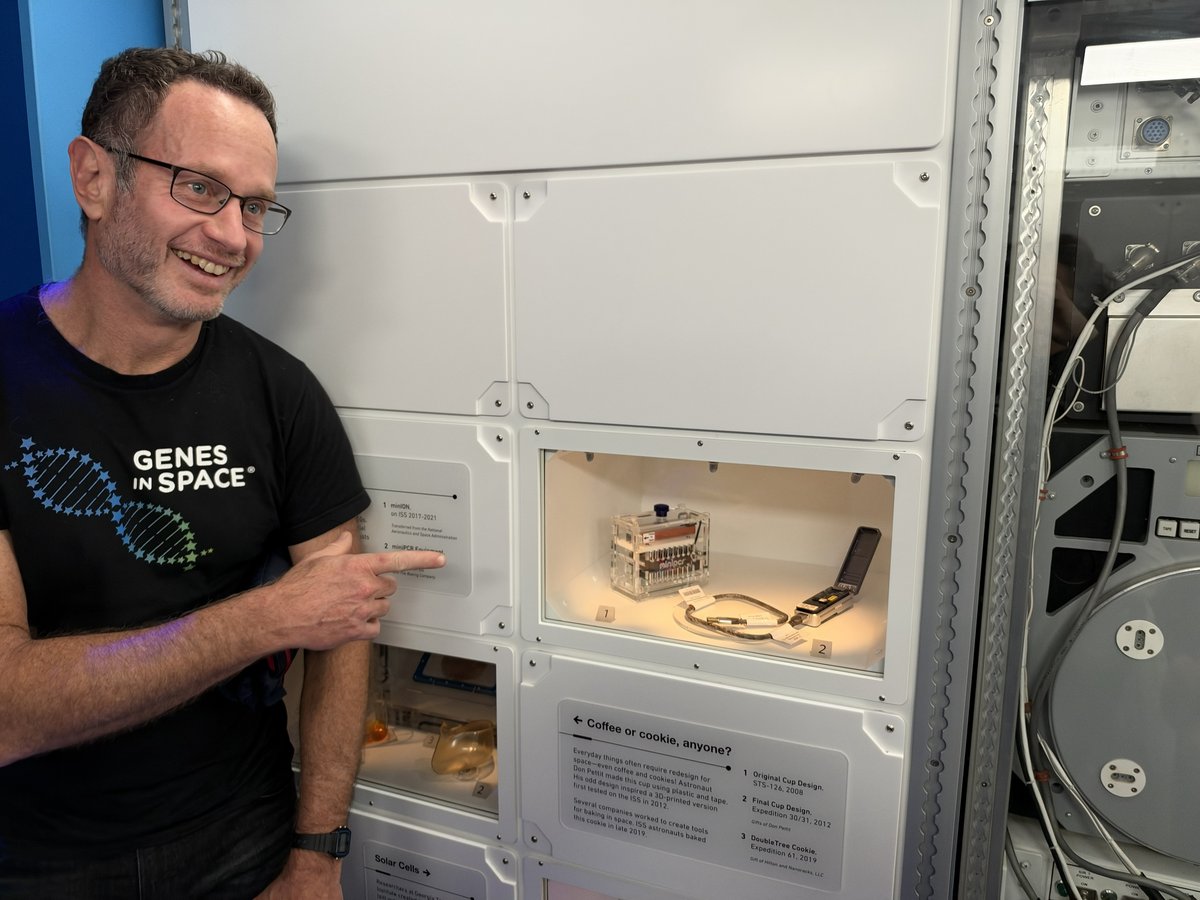
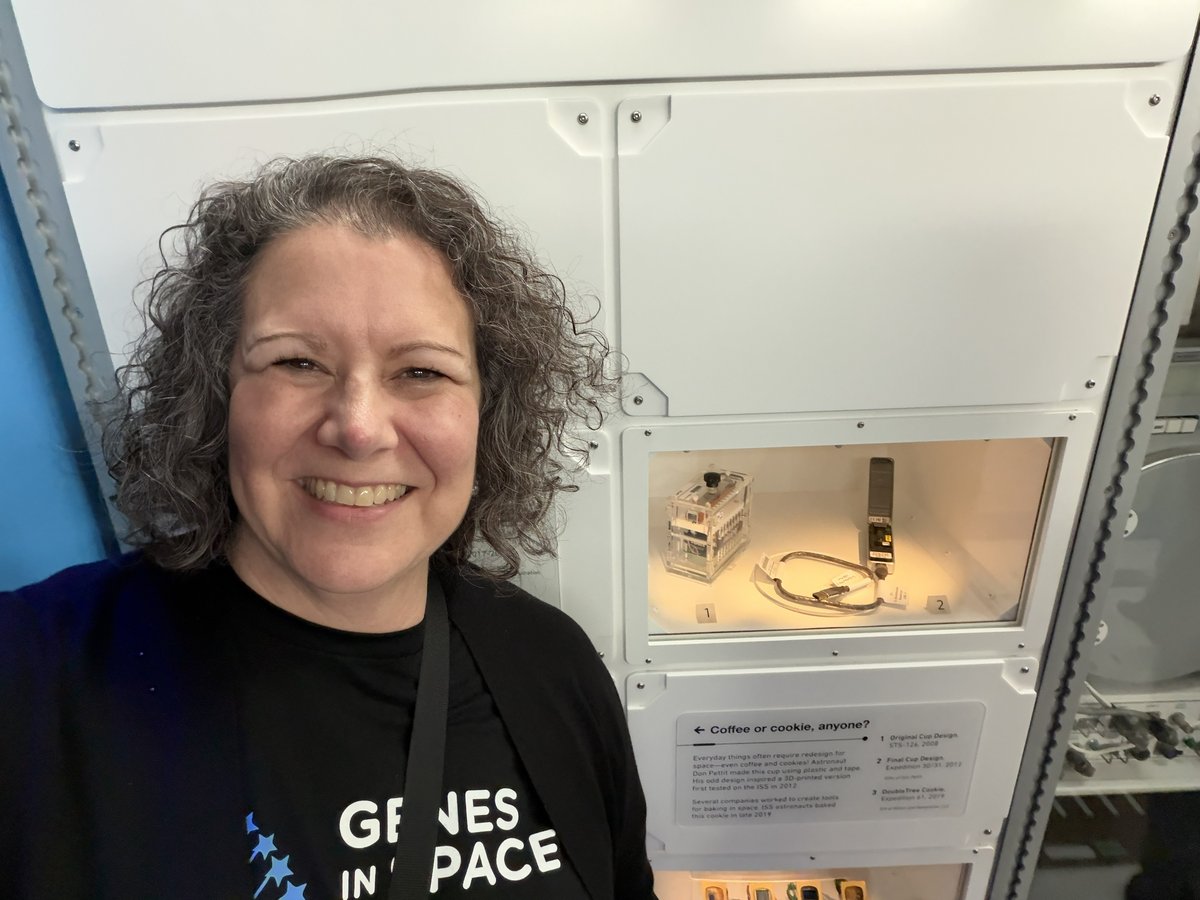
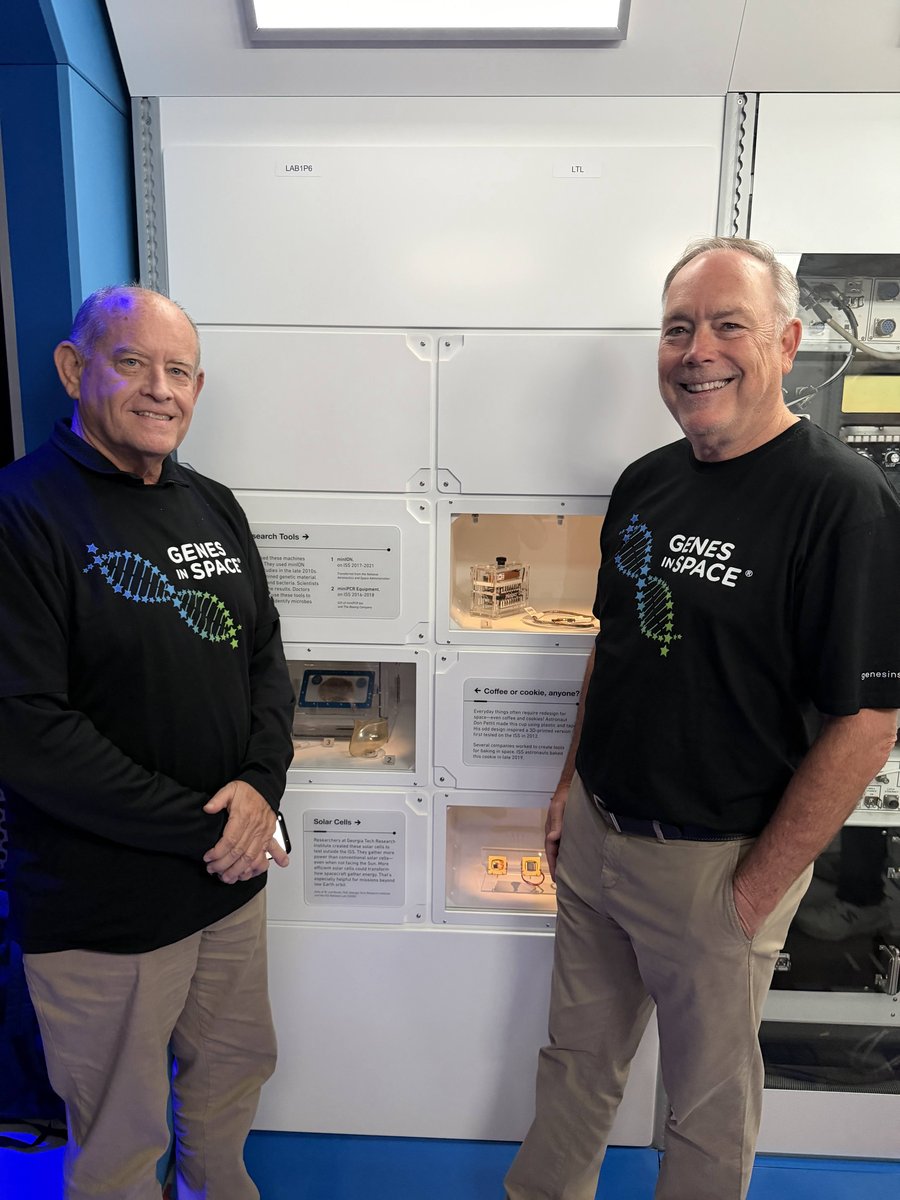
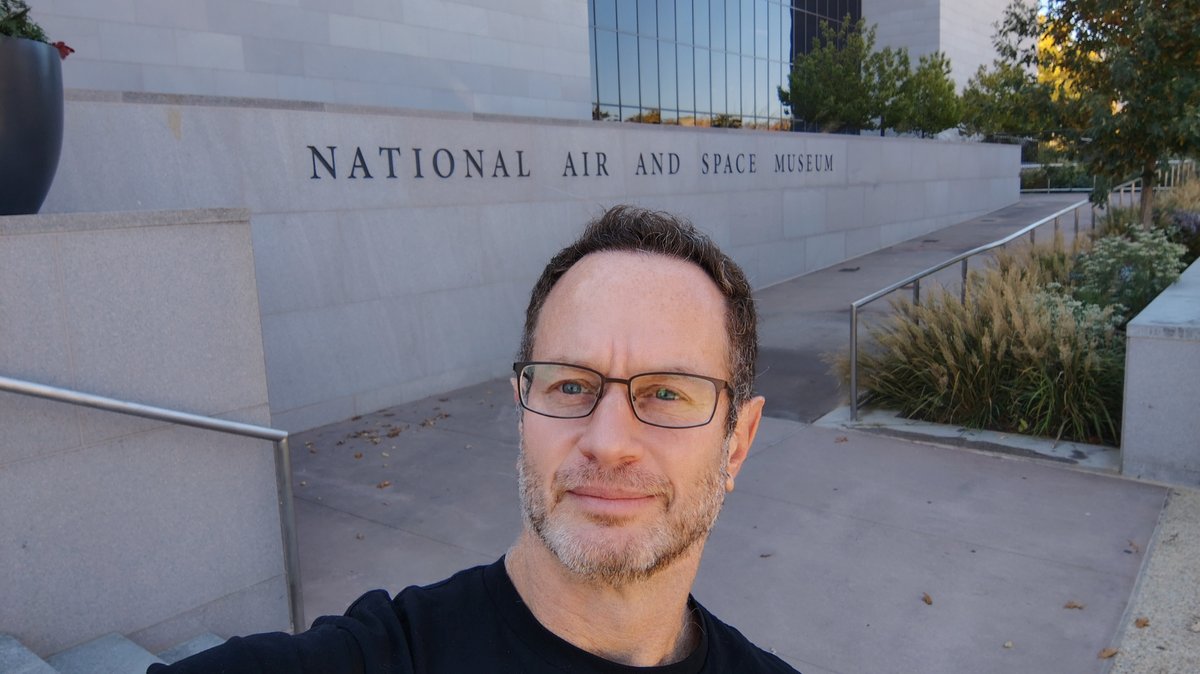
This fall, the Smithsonian Institution’s National Air and Space Museum will open At Home in Space, a new exhibition exploring what it takes to live and work aboard the International Space Station—and how decades of ISS research are preparing us for future missions to the Moon, Mars, and beyond.
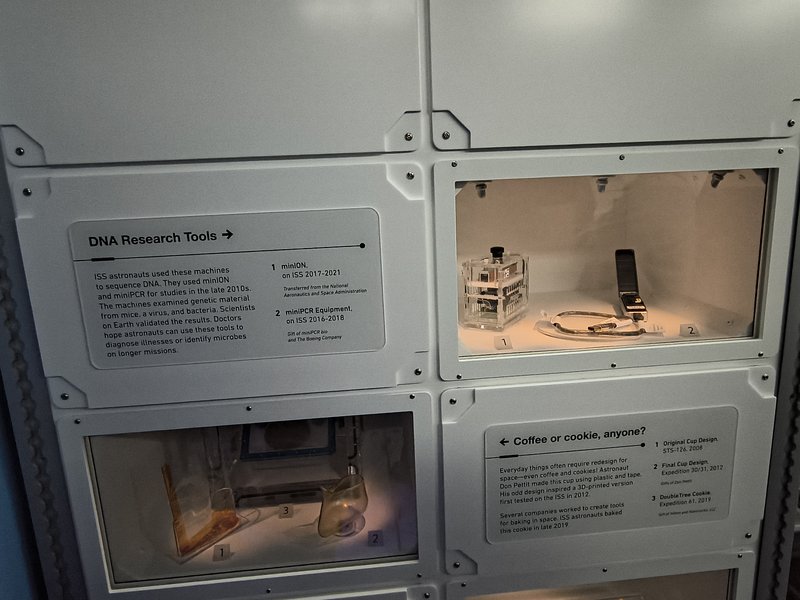
Among the artifacts on display will be a familiar item to the Genes in Space (GiS) community: a miniPCR thermocycler recently returned from the International Space Station (ISS), where it was used to conduct DNA experiments using polymerase chain reaction techniques.
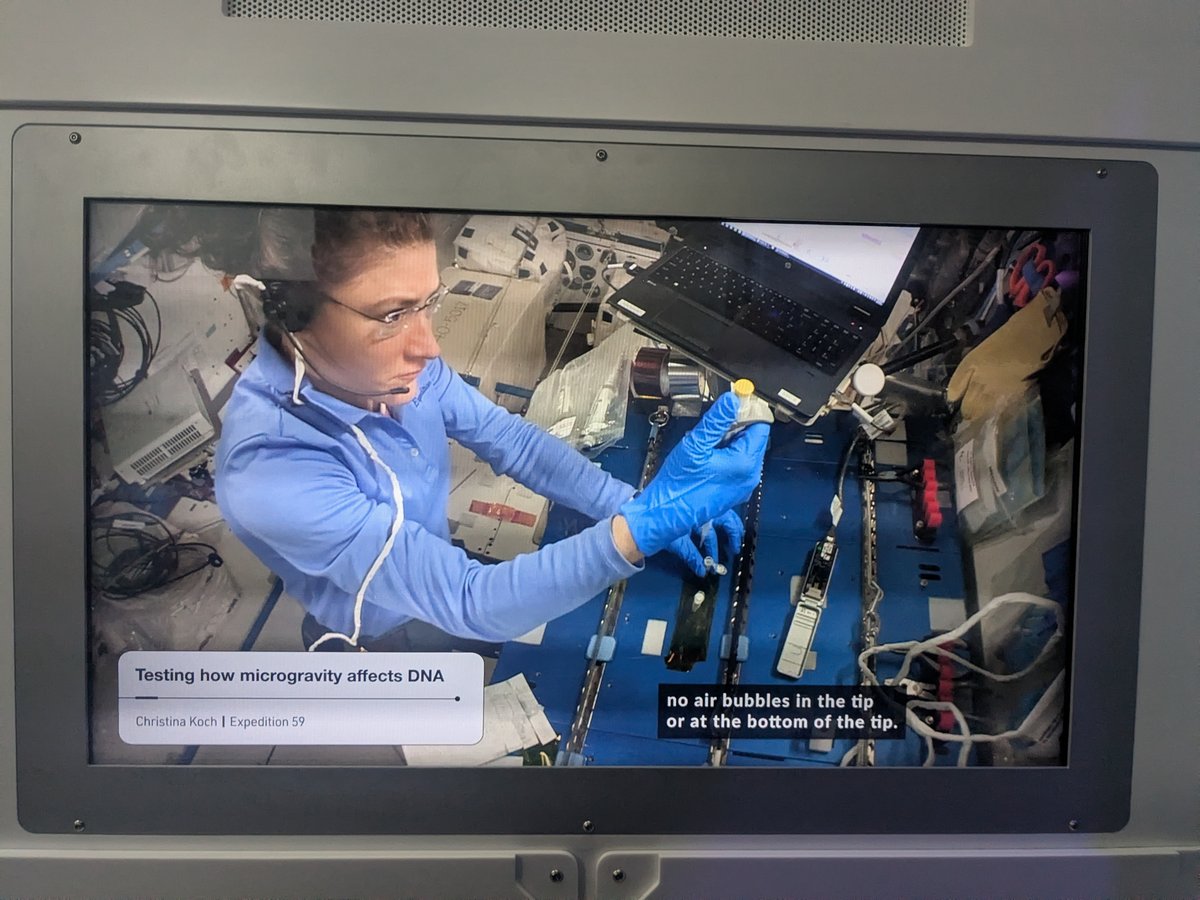
The Boeing and miniPCR Genes in Space partnership, supported by sponsors New England Biolabs and the ISS National Laboratory, has advanced molecular biology research aboard the ISS for nearly a decade and helped enable foundational discoveries in space biology. In 2016, British astronaut Tim Peake used a miniPCR thermal cycler to perform the first PCR in space as part of the inaugural Genes in Space investigation. The following year, NASA researchers used a miniPCR alongside the MinION DNA sequencer to identify microbes aboard the Station for the first time. Since then, miniPCR has continued to support environmental monitoring and molecular biology research on orbit, including through experiments proposed through Genes in Space. Its inclusion in At Home in Space reflects the growing body of work that has made molecular biology a part of life and research aboard the ISS.
Students have driven much of that growth. Since 2015, Genes in Space has given young researchers across the United States the opportunity to design experiments that could actually be conducted aboard the ISS. What began as a collaboration between miniPCR bio and The Boeing Company to validate PCR technology on orbit has evolved into an award-winning program that has reached more than 13,000 participants.
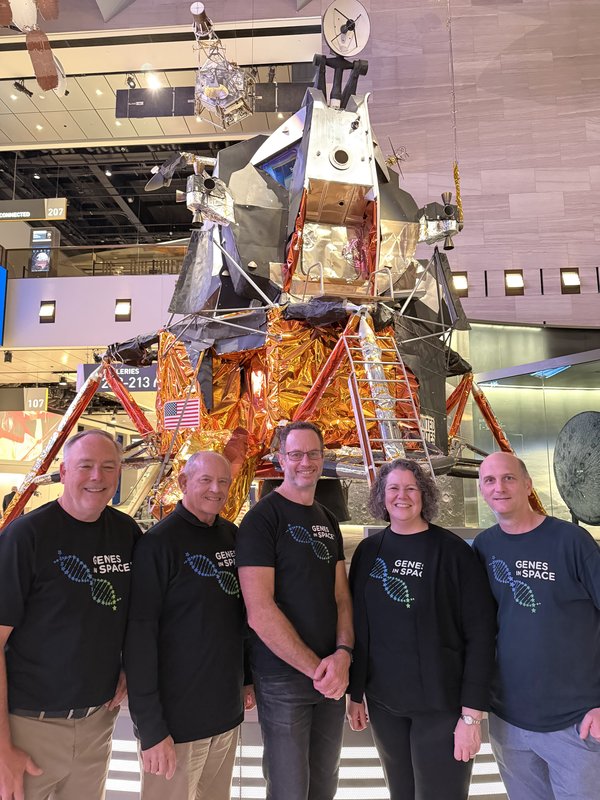
“What started as a technology demonstration to enable molecular biology investigation capability aboard the International Space Station is now empowering students to develop hypotheses and design experimental approaches to help solve biological challenges that must be understood for human space exploration. By giving students this opportunity, we are proud to be helping inspire the next generation of science innovators” said Boeing’s Genes in Space co-founder Scott Copeland
Students have investigated questions about DNA repair, immune function, telomeres, and more. Their ideas have flown to space, astronauts have carried them out, and they've contributed to our understanding of biology beyond Earth.
“Humanity keeps pushing the frontier of exploration by inhabiting an outpost in space. It's very fitting of our species to bring there with us tools that help us peer into the inner workings of life,” said Sebastian Kraves, co-founder of miniPCR bio and Genes in Space. “What amazes me is that one such tool developed by our humble team has risen to this elevated place in the trail of human curiosity. That high schoolers have lit this path so bright with their research questions is just an incredible triumph for the space community.”
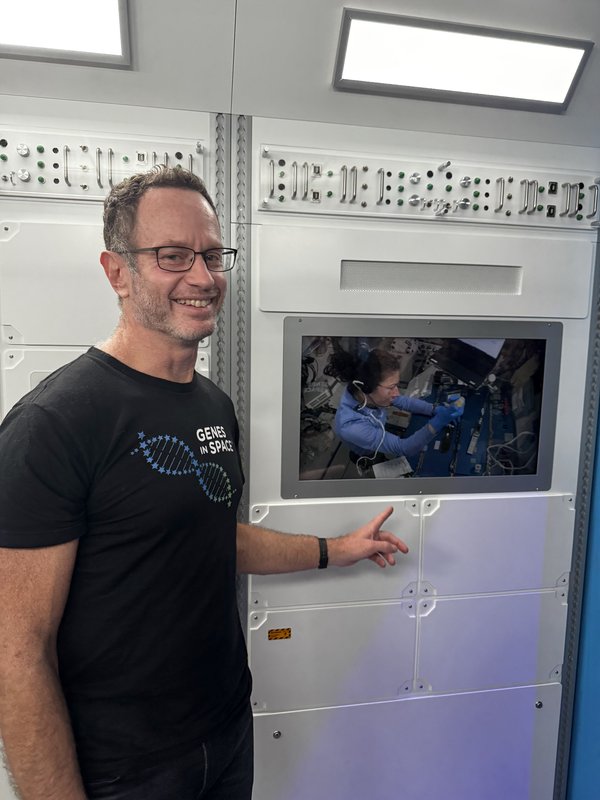
That is what makes miniPCR’s inclusion in At Home in Space especially meaningful to us: It shows what can happen when students become active participants in space exploration.
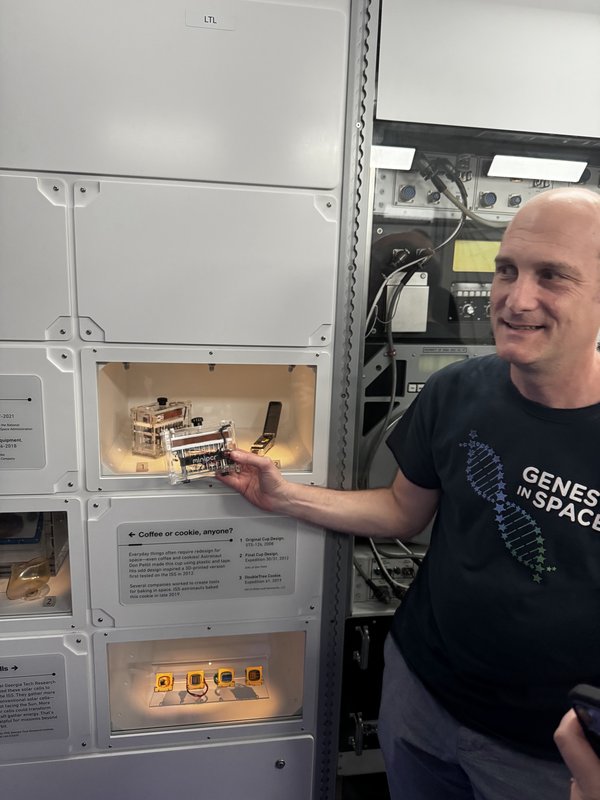
“Seeing this instrument at the museum underscores how far space biology has come in just a few years, and how much farther the next generation of explorers and scientists will take it,” said Ezequiel Alvarez Saavedra, co-founder of miniPCR bio and Genes in Space.
We're thrilled to see this essential piece of Genes in Space history become part of the Smithsonian's collection—and even more excited for visitors to discover the students and ideas behind it.